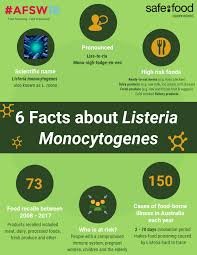
“Listeria Infection in Australia: Understanding the Risks and Why Health Insurance is a Lifesaver”

Listeria infection, caused by the bacterium Listeria monocytogenes, is a serious foodborne illness that can lead to severe health complications, especially in high-risk groups such as pregnant women, the elderly, and immunocompromised individuals. In Australia, where food safety standards are stringent, outbreaks still occur, highlighting the need for awareness and preventive measures. Additionally, the rising cost of healthcare makes having adequate health insurance crucial for covering unexpected medical expenses related to such infections.
This article explores the dangers of Listeria, its symptoms, treatment options, and why securing comprehensive health insurance in Australia is essential for safeguarding your health and finances.
What is Listeria and How Does It Spread?
Listeria is a type of bacteria found in contaminated food, including unpasteurized dairy products, deli meats, and pre-packaged salads. Unlike other foodborne pathogens, Listeria can thrive in refrigerated temperatures, making it particularly dangerous.
In Australia, recent outbreaks have been linked to rockmelons, smoked salmon, and pre-cut fruits, prompting recalls and public health warnings. Understanding how Listeria spreads is the first step in prevention.
Symptoms and High-Risk Groups
Listeria infection (listeriosis) can cause mild flu-like symptoms in healthy individuals, but for high-risk groups, it can be life-threatening. Symptoms include fever, muscle aches, nausea, and, in severe cases, meningitis or septicemia.
Pregnant women are 10 times more likely to contract Listeria, which can lead to miscarriage, stillbirth, or severe illness in newborns. The elderly and those with weakened immune systems, such as cancer patients or diabetics, also face higher risks.
Diagnosis and Treatment
Diagnosing listeriosis involves blood or spinal fluid tests to detect the bacteria. Treatment typically includes antibiotics, but early intervention is critical to prevent complications. Hospitalization may be required, especially for severe cases, leading to significant medical expenses.
Without private health insurance, patients relying solely on Medicare may face out-of-pocket costs for specialized treatments, extended hospital stays, or follow-up care.
The Role of Health Insurance in Covering Listeria-Related Costs
Australia’s healthcare system combines public (Medicare) and private options. While Medicare covers basic treatments, private health insurance provides faster access to specialists, private hospitals, and additional services like pathology and imaging.
For Listeria patients, health insurance can mean:
-
Reduced waiting times for critical treatments.
-
Coverage for private hospital stays.
-
Access to better medications and therapies.
Without insurance, a severe Listeria infection could result in thousands of dollars in medical bills, particularly if intensive care or long-term rehabilitation is needed.
Preventing Listeria Infection
Prevention is key to avoiding Listeria. The Australian government recommends:
-
Thoroughly cooking raw meats.
-
Washing fruits and vegetables.
-
Avoiding high-risk foods during pregnancy.
-
Properly storing and handling perishable items.
Public awareness campaigns and stricter food safety regulations have helped reduce outbreaks, but personal vigilance remains crucial.
Why Every Australian Should Consider Health Insurance
With healthcare costs rising, relying solely on Medicare may not be enough. Private health insurance offers:
-
Financial protection against unexpected illnesses like listeriosis.
-
Greater flexibility in choosing doctors and hospitals.
-
Coverage for extras like dental and physiotherapy.
For high-risk individuals, investing in a comprehensive health cover ensures peace of mind and better healthcare access.
Conclusion
Listeria infection is a preventable yet dangerous illness that underscores the importance of food safety and robust health insurance. In Australia, where medical expenses can escalate quickly, having private health cover is a smart decision to protect your health and finances.
By staying informed and insured, you can mitigate the risks of Listeria and other health threats, ensuring a safer and healthier future.
Additional Paragraphs (Expanding on Key Points):
The Economic Impact of Listeria Outbreaks
Beyond individual health, Listeria outbreaks strain Australia’s healthcare system and economy. Food recalls, lost productivity, and increased hospital admissions cost millions annually. For businesses, an outbreak can mean reputational damage and financial losses, highlighting the need for stricter food safety compliance.
Comparing Public vs. Private Healthcare for Infectious Diseases
While Medicare provides essential coverage, its limitations become apparent when treating severe infections like listeriosis. Public hospitals often face overcrowding, leading to longer wait times. Private health insurance allows patients to bypass these delays, ensuring prompt treatment—a critical factor for Listeria, where timing affects outcomes.
Listeria and Pregnancy: What Expectant Mothers Need to Know
Pregnant women must take extra precautions, as Listeria can cross the placental barrier, harming the unborn baby. Health insurance with pregnancy cover ensures access to obstetricians, neonatal care, and emergency services, reducing risks for both mother and child.
How to Choose the Right Health Insurance Plan
When selecting health insurance, consider:
-
Coverage for hospital stays and surgeries.
-
Inclusion of prescription medications.
-
Extras like pathology and specialist consultations.
Comparing policies and understanding exclusions can help you find a plan that best suits your needs
