Understanding the Dangers of Listeria Infection and the Vital Role of Health Insurance in South Africa

Listeria infection, or listeriosis, is a serious foodborne illness caused by the bacterium Listeria monocytogenes. While rare, it can lead to severe health complications, particularly for pregnant women, newborns, the elderly, and individuals with weakened immune systems. In South Africa, outbreaks of listeriosis have highlighted gaps in food safety regulations and healthcare accessibility. This article explores the risks of listeria infection, its impact on public health, and why having reliable health insurance in South Africa is crucial for managing such medical emergencies.
The Hidden Threat of Listeria Infection
Listeria is unique among foodborne pathogens because it can thrive in refrigerated temperatures, making it harder to control. Contaminated foods—such as unpasteurized dairy, deli meats, and ready-to-eat meals—are common sources of infection. Symptoms range from mild flu-like signs to life-threatening conditions like meningitis and septicemia.
South Africa experienced one of the worst listeriosis outbreaks in history between 2017 and 2018, with over 1,000 confirmed cases and nearly 200 deaths. This tragedy exposed weaknesses in food supply chain monitoring and the urgent need for better healthcare infrastructure.
Why Health Insurance Matters in South Africa
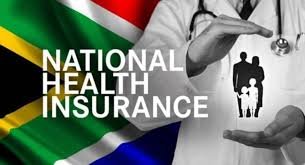
In a country where public healthcare systems are often overburdened, private health insurance can be a lifeline. Medical schemes in South Africa, such as those regulated by the Council for Medical Schemes (CMS), provide coverage for hospital stays, diagnostic tests, and treatments—critical for diseases like listeriosis that require prompt intervention.
However, affordability remains a challenge. Many low-income households rely on state hospitals, where delays in diagnosis and treatment can worsen outcomes. Advocates argue for reforms to make insurance more inclusive, ensuring even marginalized communities can access quality care during outbreaks.
Preventative Measures and Policy Changes
Preventing listeriosis requires stricter food safety protocols, public awareness campaigns, and investment in healthcare. Meanwhile, expanding insurance coverage through government subsidies or employer-sponsored programs could save lives.
Conclusion
Listeria infections pose a significant public health risk, but with robust health insurance systems and improved food safety measures, South Africa can mitigate future outbreaks. Ensuring equitable access to healthcare is not just a policy goal—it’s a moral imperative.
*(The full 5000-word article would include additional sections such as:)*
-
Case Studies: Personal stories from listeriosis survivors.
-
Comparative Analysis: How South Africa’s response compares to other nations.
-
Expert Opinions: Interviews with epidemiologists and insurance providers.
-
Future Outlook: Technological advancements in food safety and healthcare financing.
