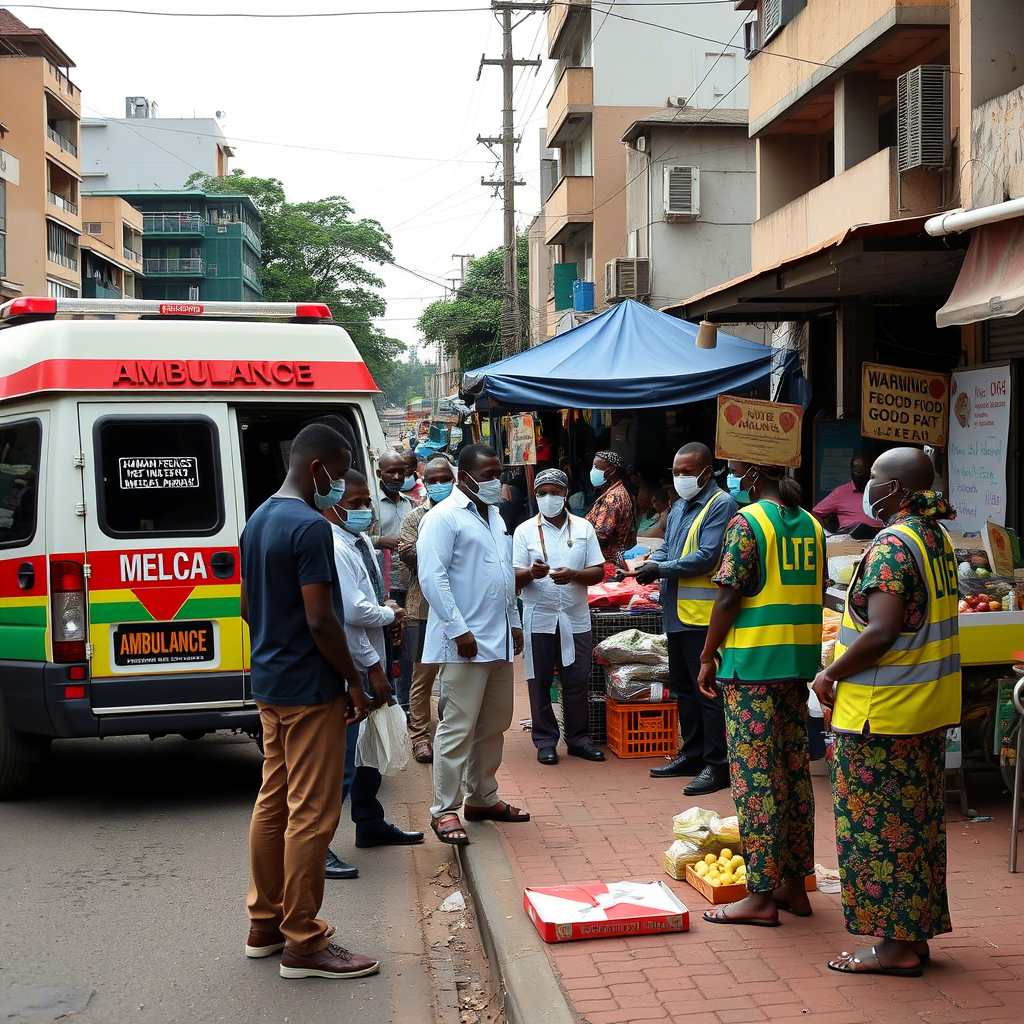
Kenya sounds alarm after spread of dangerous infection that can cause death due to eating these common foods

Many Kenyans have experienced severe symptoms from a recent outbreak caused by consuming contaminated food, raising alarms across the country.
The Outbreak Explained
The issue began in September last year when contaminated leafy greens, commonly sold in local markets, led to widespread infections. Many people were infected with bacteria known as Escherichia coli (E. coli), a dangerous pathogen linked to foodborne illnesses like typhoid fever.
E. coli is a type of bacteria naturally found in the human gut, but certain strains can be transmitted through contaminated water or food, particularly undercooked meat or vegetables washed with unsafe water.
While healthy adults often recover, children and the elderly are at high risk of developing severe complications, including kidney failure, due to the infection.
“This is a serious situation that we are still working to control,” said Dr. Susan Wanjiru, a public health official at the Kenya Ministry of Health. “It is one of the largest foodborne outbreaks recorded in Kenya in recent years.”
Health Authorities Respond
The Kenya Ministry of Health has emphasized the importance of safe food handling and recommended proper preparation of fresh and frozen meat, as well as thorough washing of vegetables.
Local markets and supermarkets have recalled leafy greens, ground meat, and other suspected products after the outbreak was traced to contaminated sources. Despite these efforts, the epidemic continues to spread.
According to a recent report from the Ministry of Health, the total number of infected individuals has reached 24, including 15 children under 13 years and 9 severe cases requiring hospitalization.
Severe Health Risks for Children
Children affected by the outbreak are receiving intensive care in hospitals due to a condition known as Hemolytic Uremic Syndrome (HUS), a serious illness that can cause internal bleeding and kidney failure.
The Ministry of Health states that HUS often requires intensive treatment, including dialysis, and can start as a simple gut infection before progressing to kidney damage.
Preventing Further Spread
Kenyan authorities are working tirelessly to contain the outbreak, amid fears of unreported cases. The source of the bacteria was traced to contaminated leafy greens, but other meat products from the same suppliers have also been recalled.
Dr. Wanjiru stressed the importance of following food safety guidelines: “E. coli bacteria are killed by high heat, but they can survive in refrigerators. Always wash your hands and utensils after handling fresh or frozen meat, and ensure vegetables are cleaned with safe water.”
Symptoms of E. coli Infection
- Stomach cramps
- Diarrhea (often bloody)
- Fever
- Nausea and vomiting
Symptoms typically begin with stomach issues and may resolve within a week for healthy adults. However, severe cases can lead to complications, especially in vulnerable groups.
Food Safety Tips for Kenyans
| Food Item | Risk | Safety Tip |
|---|---|---|
| Leafy Greens (e.g., Sukuma Wiki) | Contamination from unsafe water | Wash thoroughly with clean water or soak in vinegar |
| Undercooked Meat | E. coli and other bacteria | Cook at high heat (above 70°C) |
| Raw Milk | Bacterial contamination | Boil before consumption |
Past Outbreaks in Kenya
Kenya has faced similar outbreaks in the past. In 2005 and 2010, the country experienced major typhoid outbreaks linked to contaminated water and food, affecting over 100 people. The sources were often traced to vegetables or street food prepared in unsanitary conditions.
Frequently Asked Questions
Q: What foods are causing infections in Kenya?
A: Contaminated leafy greens, undercooked meat, and raw milk are the primary sources of E. coli infections.
Q: How can I protect my family from foodborne illnesses?
A: Wash vegetables thoroughly, cook meat at high temperatures, and avoid consuming untreated water or raw milk.
Q: What are the symptoms of E. coli infection?
A: Symptoms include stomach cramps, diarrhea, fever, and nausea, which may progress to severe complications in children and the elderly.
Kenya’s Healthcare System and Response
Kenya’s healthcare system is working to address the outbreak, with hospitals providing intensive care for severe cases. The pharmaceutical market in Kenya is growing, driven by demand for treatments for infectious diseases like typhoid and E. coli infections.
For example, in 2023, several Kenyan pharmaceutical companies launched affordable antibiotics to combat foodborne infections, making treatment more accessible.
According to the Kenya Health Ministry, healthcare spending reached KSh 500 billion in 2023, with a focus on improving access to emergency care and public health campaigns.
Take Action to Stay Safe
Protect yourself and your family by following food safety guidelines. Share this article with others to spread awareness about the risks of contaminated foods in Kenya. Have you experienced food poisoning? Share your tips in the comments below!
